
The Spacetime Memory Crystal Design System
Transform fleeting experiences into eternal memory crystals. This system uses multidimensional experience design to create travel memories that can be revisited, explored, and cherished across time and sensory dimensions.
The Spacetime Memory Crystal Design System: Create Experiences That Last Forever
Why do some memories fade while others endure with vivid clarity for decades? This system treats memories as multidimensional crystals that can be designed, grown, and polished to create experiences that transcend time itself.
The Memory Crystal Paradigm
From Episodic Memory to Memory Crystals
Traditional Memory Assumptions:
- Memories are passive recordings of events
- Memory quality depends on attention during experience
- Memories naturally fade and distort over time
- Recall is largely outside our control
Memory Crystal Principles:
- Memories can be actively designed and engineered
- Memory quality depends on multidimensional encoding
- Memories can be strengthened and refined over time
- Recall can be optimized through systematic design
The Seven Facets of Memory Crystals
1. Temporal Facet (Time Dimension)
- Function: How time is experienced and remembered
- Design Techniques: Time expansion through novelty, timeless flow states
- Memory Impact: Determines subjective duration and timing recall
2. Spatial Facet (Space Dimension)
- Function: How locations and environments are encoded
- Design Techniques: Multi-sensory anchoring, perspective variation
- Memory Impact: Creates three-dimensional mental maps
3. Sensory Facet (Perception Dimension)
- Function: How sensory experiences are captured
- Design Techniques: Multi-channel encoding, sensory layering
- Memory Impact: Provides multiple retrieval pathways
4. Emotional Facet (Feeling Dimension)
- Function: How emotional significance is embedded
- Design Techniques: Peak experience engineering, emotional intensity
- Memory Impact: Determines memory durability and vividness
5. Relational Facet (Connection Dimension)
- Function: How shared experiences bond people
- Design Techniques: Collaborative discovery, mutual support
- Memory Impact: Creates social memory bonds
6. Narrative Facet (Story Dimension)
- Function: How experiences become coherent stories
- Design Techniques: Hero's journey mapping, thematic development
- Memory Impact: Enables effective sharing and meaning-making
7. Symbolic Facet (Meaning Dimension)
- Function: How experiences connect to deeper meaning
- Design Techniques: Symbol creation, ritual design, metaphor crafting
- Memory Impact: Provides ongoing significance and insight
The Crystal Design Framework
Phase 1: Pre-Experience Crystal Blueprinting (1-2 Weeks Before)
Multidimensional Experience Mapping Design your experience across all seven facets:
Crystal Structure Design:
- Define desired temporal experience (compressed, expanded, rhythmic)
- Map spatial elements for optimal memory encoding
- Plan sensory layers for redundant memory traces
- Engineer emotional peaks and valleys
- Design relational bonding opportunities
- Create narrative arc and themes
- Embed symbolic meaning elements
Preparation Rituals:
- Mental rehearsal of crystal facets
- Sensory preparation (scents, music, visual references)
- Narrative framing intention setting
- Symbolic meaning contemplation
Phase 2: In-Experience Crystal Growth (During Event)
Active Memory Engineering Consciously build memory crystals during experiences:
Real-time Facet Development:
- Temporal Awareness: Notice and mark significant time moments
- Spatial Anchoring: Intentionally encode locations with multiple senses
- Sensory Collection: Actively gather sensory samples and impressions
- Emotional Marking: Acknowledge and deepen emotional experiences
- Relational Bonding: Create shared moments and inside references
- Narrative Tracking: Notice story elements as they unfold
- Symbol Recognition: Identify emerging symbols and meanings
Crystal Growth Sessions:
- Evening reflection and consolidation
- Photo curation with narrative captions
- Sensory reactivation through collected samples
- Story sharing and co-creation
Phase 3: Post-Experience Crystal Polishing (1-4 Weeks After)
Memory Refinement and Integration Transform raw experiences into polished memory crystals:
Facet Polishing Practices:
- Temporal Refinement: Clarify sequence and timing details
- Spatial Enrichment: Add details to mental maps
- Sensory Enhancement: Strengthen sensory associations
- Emotional Nuancing: Develop emotional complexity and understanding
- Relational Deepening: Reinforce shared meanings and bonds
- Narrative Crafting: Shape experiences into tellable stories
- Symbolic Integration: Connect experiences to larger meanings
Crystal Networking:
- Connect new memories to existing memory networks
- Identify themes across different experiences
- Integrate into personal life narrative
- Create memory hierarchies and connections
Advanced Memory Engineering Techniques
Temporal Engineering
Designing Subjective Time Experience Alter how time is perceived and remembered:
Time Expansion Techniques:
- Novelty clustering in early experience phases
- Multi-sensory immersion in new environments
- Flow state activities that create timelessness
- First-time experiences that stretch time perception
Temporal Markers:
- Rituals that punctuate significant moments
- Time capsules (letters, photos, objects from specific times)
- Anniversary traditions that reactivate memories
- Sequential photography showing time progression
Spatial Memory Architecture
Building Three-Dimensional Memory Palaces Create navigable mental maps of experiences:
Multi-perspective Encoding:
- Experience locations from different angles and heights
- Create mental walkthroughs of significant spaces
- Associate specific memories with specific locations
- Build connections between related locations
Spatial Trigger Design:
- Collect physical objects from specific locations
- Create scent associations with places
- Record ambient sounds of environments
- Document visual details and perspectives
Emotional Memory Engineering
Creating Peak-End Optimized Experiences Leverage peak-end rule for durable emotional memories:
Peak Experience Design:
- Plan one or two exceptionally positive experiences
- Build anticipation before peaks
- Create surprise and delight elements
- Ensure peaks have sensory richness
Ending Optimization:
- Design meaningful closure experiences
- Include reflection and gratitude elements
- Create symbolic completion rituals
- Leave with positive final impressions
Implementation Protocols
For Solo Travel and Personal Growth
Crystal Focus: Deep personal insight and transformation memories
Key Design Elements:
- Solitude periods for reflection and integration
- Challenge experiences that build resilience
- Nature immersion for perspective shifts
- Journaling and contemplation practices
Memory Strengthening:
- Daily reflection and synthesis
- Creative expression of experiences
- Lesson extraction and application
- Future self letters from travel perspective
For Romantic and Relationship Travel
Crystal Focus: Shared bond strengthening and romantic memories
Key Design Elements:
- Collaborative decision-making and discovery
- Intimate moments away from crowds
- Shared challenges and accomplishments
- Inside joke and reference creation
Memory Strengthening:
- Co-created photo albums with shared captions
- Relationship ritual development
- Future planning inspired by experiences
- Anniversary reactivation traditions
For Family and Multigenerational Travel
Crystal Focus: Family bonding and generational memory creation
Key Design Elements:
- Activities that engage all age groups
- Family traditions and rituals
- Intergenerational learning and sharing
- Collective accomplishment moments
Memory Strengthening:
- Family story nights retelling experiences
- Photo books with contributions from all members
- Tradition continuation in subsequent trips
- Artifacts and souvenirs with family meaning
Memory Crystal Metrics and Optimization
Crystal Quality Assessment
Facet Strength Metrics:
- Temporal detail richness and accuracy
- Spatial map completeness and navigability
- Sensory channel richness and redundancy
- Emotional intensity and complexity
- Relational bonding strength
- Narrative coherence and shareability
- Symbolic depth and meaning
Crystal Durability Indicators:
- Recall speed and accuracy over time
- Detail preservation vs. distortion
- Emotional resonance persistence
- Integration with existing memory networks
Optimization Process
Weekly Crystal Reviews:
- Assess which facets developed strongest
- Identify missed opportunities in design
- Evaluate consolidation effectiveness
- Plan refinement strategies
Long-term Crystal Audits:
- Track memory evolution over months and years
- Measure crystal durability and accessibility
- Assess impact on identity and worldview
- Refine design principles based on results
Memory Preservation Technologies
Digital Memory Enhancement
Modern Tools for Ancient Art:
- 360-degree photography for spatial memory
- Spatial audio recording for environmental immersion
- Scent capture technology development
- Haptic recording for tactile memories
Memory Organization Systems:
- Thematic rather than chronological organization
- Cross-referencing by location, people, themes
- Metadata enrichment with emotional and symbolic tags
- Integration with life narrative frameworks
Analog Memory Support
Physical Memory Artifacts:
- Scent libraries from different locations
- Texture and material collections
- Handwritten journals with sketches
- Object collections with stories
Ritual and Tradition Development:
- Memory reactivation ceremonies
- Storytelling traditions around experiences
- Anniversary celebrations of significant trips
- Intergenerational memory sharing practices
Crisis Prevention and Recovery
Memory Fading Prevention
Proactive Preservation:
- Regular reactivation before decay begins
- Multiple retrieval pathway maintenance
- Cross-sensory reinforcement
- Social sharing and co-remembering
Memory Distortion Management:
- Objective documentation alongside subjective experience
- Multiple perspective collection
- Regular fact-checking against evidence
- Acknowledgement of memory's evolving nature
Memory Loss Recovery
Crystal Reconstruction:
- Use of artifacts and documentation as memory prompts
- Sensory reactivation to trigger recall
- Guided recollection with trusted companions
- Professional memory work if needed
Acceptance and Integration:
- Embracing memory's fluid nature
- Focusing on essence rather than perfect recall
- Creating new memories that honor past experiences
- Finding meaning beyond specific details
Stop letting experiences fade and start crystallizing memories forever. Click "Use This Template" to transform fleeting moments into eternal memory crystals through multidimensional experience design.
Открыть Schedule Maker для настройки и экспорта.
The Immersive Spacetime Experience Engine
Transform ordinary trips into extraordinary时空experiences. This advanced system uses neuroscience and environmental psychology to design deeply immersive experiences that alter time perception and create lasting transformational memories.
View details
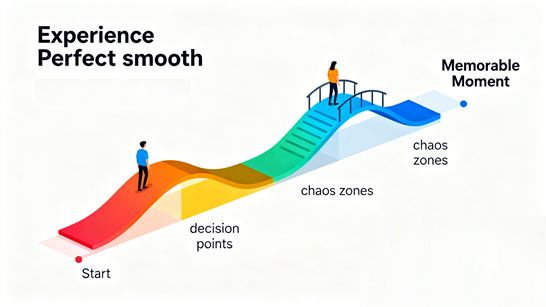
The Stress-Free Experience Design System
Transform event planning from stressful logistics to joyful experience design. This system uses psychological principles to create seamless, memorable events while eliminating decision fatigue and last-minute chaos.
View details
The Bio-Energy Field Optimization System
Optimize your body's energy field for holistic health. This system integrates traditional energy concepts with modern science to balance bio-energy flows, harmonize physiological rhythms, and optimize your body's inherent healing intelligence.
View details