
The Sensory Intelligence Activation System
Reactivate your sensory world and transform daily experiences into sources of wonder. This neuroscience-based system recalibrates dulled senses, enhances sensory discrimination, and builds neural pathways for deeper aesthetic appreciation.
The Sensory Intelligence Activation System: Reclaim Your Rich Sensory World
In our digital age, we've become sensory survivors rather than sensory thrivers. This system reverses sensory dullness, reactivates your innate sensory capacities, and transforms daily life from monotonous to magnificent through neuroscience-backed sensory recalibration.
The Sensory Dullness Epidemic
The Digital Sensory Crisis
Sensory Overload and Under-appreciation Modern life creates a paradoxical sensory environment:
- Overstimulation: Constant digital notifications, background noise, visual clutter
- Under-appreciation: Superficial engagement with rich sensory experiences
- Sensory Substitution: Digital representations replacing direct sensory engagement
- Attention Fragmentation: Inability to sustain deep sensory attention
The Cost of Sensory Dullness
- Reduced life satisfaction and joy
- Impaired memory formation and recall
- Decreased creativity and problem-solving
- Weakened emotional regulation capacity
- Lost connection to present moment awareness
The Seven Sensory Intelligence Domains
1. Visual Intelligence: Beyond Functional Seeing
From Object Recognition to Aesthetic Appreciation
Visual Nuance Training:
- Color Discrimination: Practice distinguishing subtle color variations
- Texture Appreciation: Notice and categorize surface qualities
- Light Quality Awareness: Observe how light transforms environments
- Pattern Detection: Find and appreciate natural and human-made patterns
Daily Visual Practices:
- Morning light quality observation
- Color palette appreciation throughout day
- Texture photography and collection
- Shadow and reflection awareness
2. Auditory Intelligence: From Noise to Music
Reclaiming Your Sound Environment
Auditory Discrimination Development:
- Frequency Awareness: Distinguish different sound frequencies
- Harmonic Perception: Notice how sounds combine and interact
- Silence Appreciation: Value spaces between sounds
- Spatial Hearing: Locate sounds in three-dimensional space
Soundscape Transformation:
- Create intentional listening periods
- Curate environmental sounds
- Practice selective auditory attention
- Develop personal sound preferences
3. Olfactory Intelligence: The Scent Dimension
Direct Pathway to Memory and Emotion
Scent Discrimination Training:
- Aroma Categorization: Group scents by quality and association
- Seasonal Smell Tracking: Notice how scents change with seasons
- Scent Memory Linking: Connect smells to specific memories
- Mood-Scent Association: Use scents for emotional regulation
Olfactory Environment Design:
- Intentional home and workspace scents
- Seasonal scent celebrations
- Personal scent signature development
- Scent journaling practice
4. Gustatory Intelligence: The Art of Taste
From Fuel Consumption to Flavor Exploration
Taste Sensitivity Development:
- Flavor Component Analysis: Identify basic taste elements
- Texture Appreciation: Notice mouthfeel and consistency
- Aftertaste Awareness: Track flavor evolution over time
- Mindful Tasting: Full attention to eating experience
Eating Transformation Practices:
- Single-food tastings for sensitivity
- Meal composition for flavor harmony
- Mindful eating rituals
- Flavor memory development
5. Tactile Intelligence: The Wisdom of Touch
Reconnecting with the Physical World
Haptic Awareness Training:
- Texture Discrimination: Distinguish subtle material differences
- Temperature Sensitivity: Notice slight temperature variations
- Pressure Awareness: Understand different pressure qualities
- Material Appreciation: Value different material properties
Tactile Reconnection Practices:
- Blind texture identification
- Temperature contrast exploration
- Hand sensitivity exercises
- Environmental touch mapping
6. Proprioceptive Intelligence: Body in Space
The Forgotten Sense of Self-Movement
Body Awareness Development:
- Balance Refinement: Improve standing and moving balance
- Movement Quality: Notice efficiency and grace of motion
- Spatial Orientation: Understand body position in environments
- Weight Distribution: Feel how weight shifts during movement
Proprioceptive Enhancement:
- Balance board exercises
- Movement meditation practices
- Spatial awareness games
- Graceful motion cultivation
7. Interoceptive Intelligence: Inner Body Awareness
Listening to Your Internal Landscape
Internal Sensation Training:
- Body Scanning: Systematic internal awareness practice
- Physiological Signal Awareness: Notice heartbeat, respiration, digestion
- Intuition Development: Trust gut feelings and bodily wisdom
- Need Recognition: Better identify true needs vs wants
Interoceptive Practices:
- Daily body scan meditation
- Physiological signal monitoring
- Intuition journaling
- Need-response alignment
Implementation Framework
Phase 1: Sensory Detox and Recalibration (Weeks 1-2)
Digital Sensory Reduction
- Gradual reduction of digital stimulation
- Increased analog and natural experiences
- Sensory attention training
- Baseline sensitivity measurement
Sensory Channel Isolation
- Focus on one sense per day for deep attention
- Remove competing sensory inputs
- Build foundational discrimination skills
- Establish sensory awareness habits
Phase 2: Sensory Intelligence Building (Weeks 3-6)
Discrimination Skill Development
- Progressive sensitivity exercises
- Nuance perception training
- Sensory vocabulary expansion
- Quality appreciation cultivation
Integration Practices
- Multi-sensory awareness
- Cross-modal connections
- Environmental sensory mapping
- Daily sensory rituals
Phase 3: Sensory Mastery and Application (Weeks 7-12)
Aesthetic Intelligence Development
- Beauty perception training
- Sensory environment design
- Creative sensory expression
- Sensory teaching and sharing
Life Integration
- Sensory-enhanced daily routines
- Intentional environment design
- Sensory relationship building
- Ongoing sensitivity maintenance
Advanced Sensory Practices
Synesthesia Cultivation
Intentional Cross-modal Connections Build neural pathways between sensory regions:
Sound-Color Association
- Connect musical notes with colors
- Visualize sounds as shapes and colors
- Create color responses to environmental sounds
Texture-Taste Connection
- Associate food textures with flavors
- Notice how texture affects taste perception
- Create harmonious texture-flavor combinations
Scent-Emotion Linking
- Build personal scent-emotion vocabulary
- Use scents for intentional mood shifting
- Create scent anchors for desired states
Sensory Environment Design
Creating Sensory-Supportive Spaces
Home Sensory Optimization
- Lighting that supports visual comfort and beauty
- Acoustic environment for auditory pleasure
- Scent scaping for mood and memory
- Tactile variety for haptic richness
Workspace Sensory Enhancement
- Ergonomic considerations for bodily comfort
- Visual environment for focus and inspiration
- Auditory conditions for concentration
- Personal sensory tools and objects
Sensory Intelligence Benefits
Cognitive Enhancements
Improved Memory Function
- Multi-sensory encoding strengthens memory traces
- Sensory cues provide multiple retrieval pathways
- Rich sensory experiences create stronger memories
Enhanced Creativity
- Cross-modal thinking enables novel connections
- Sensory richness provides more raw material
- Aesthetic sensitivity inspires creative expression
Emotional and Psychological Benefits
Increased Present-Moment Awareness
- Sensory attention anchors in current experience
- Reduced rumination and anxiety
- Enhanced appreciation of simple pleasures
Emotional Regulation
- Sensory tools for mood management
- Interoceptive awareness for need recognition
- Aesthetic experiences for emotional uplift
Physical Health Improvements
Mindful Eating Benefits
- Better digestion through relaxed eating
- Healthier food choices through taste satisfaction
- Portion control through sensory fulfillment
Body Awareness Advantages
- Earlier injury detection and prevention
- Better posture and movement patterns
- Improved coordination and balance
Measuring Sensory Progress
Sensitivity Metrics
Discrimination Thresholds
- Smallest detectable differences in each sense
- Progress in nuance perception
- Quality discrimination improvements
Awareness Measures
- Duration of sustained sensory attention
- Breadth of sensory perception in environments
- Depth of sensory experience quality
Application Indicators
Daily Life Integration
- Frequency of spontaneous sensory appreciation
- Integration of sensory practices into routines
- Environmental modifications for sensory enhancement
Well-being Impact
- Joy and satisfaction ratings
- Stress reduction through sensory means
- Creative expression increases
Stop surviving through your senses and start thriving with them. Click "Use This Template" to reactivate your sensory world and transform ordinary moments into extraordinary experiences.
Open Schedule Maker to customize and export.
The Circadian Rhythm Optimizer
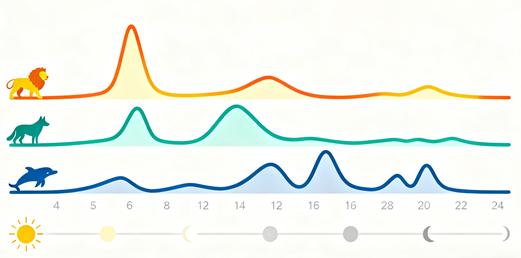
Unlock your body's natural energy blueprint. This neuroscience-based schedule adapts to your chronotype (Lion/Wolf/Dolphin), aligning activities with your biological prime times for optimal energy, focus, and rest.
View details
The 7-Day Life Balance Restoration
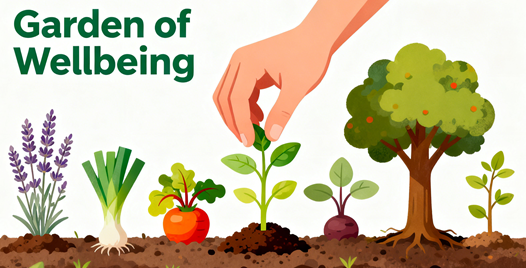
Restore balance to your busy life. This free wellness schedule tackles 7 key dimensions of health through daily themes—from digital detox to joy cultivation. Based on holistic wellness principles for sustainable self-care.
View details

The Spacetime Memory Crystal Design System
Transform fleeting experiences into eternal memory crystals. This system uses multidimensional experience design to create travel memories that can be revisited, explored, and cherished across time and sensory dimensions.
View details