
The Leadership Adaptation System
Lead in complexity without control illusions. This system uses complexity science to build adaptive organizations, balance organizational immune responses, and create conditions for emergence and innovation.
The Complexity Leadership Adaptation System: Lead in Uncertainty Without Control Illusions
Traditional leadership fails in complexity because it's built for complicated but predictable systems. This system uses complexity science to build adaptive organizations that thrive in uncertainty, cultivating emergence rather than enforcing control.
The Complexity Leadership Mindset Shift
From Machine Metaphor to Ecosystem Thinking
Traditional Leadership Assumptions:
- Organizations are predictable machines
- Leaders can and should control outcomes
- Best practices can be replicated
- Stability is the desired state
- Success comes from eliminating variance
Complexity Leadership Principles:
- Organizations are complex adaptive systems
- Leaders influence conditions for emergence
- Context-specific solutions emerge locally
- Adaptation requires productive tension
- Success comes from harnessing variance
The Three Core Paradoxes of Complexity Leadership
Control vs Emergence Paradox How to provide direction while allowing novelty to emerge?
Solution: Set minimum specifications and generative constraints that enable rather than restrict.
Stability vs Adaptation Paradox
How to maintain operational excellence while evolving?
Solution: Create rhythmic alternation between exploration and exploitation phases.
Efficiency vs Resilience Paradox How to optimize performance while building anti-fragility?
Solution: Design strategic redundancy and modular architectures.
The Adaptive Leadership Framework
Diagnosing Organizational Complexity
Complexity Dimensions Assessment Rate your organization across three dimensions:
Diversity
- Cognitive diversity in thinking styles
- Functional diversity in skills and expertise
- Experiential diversity in backgrounds and perspectives
- Cultural diversity in values and approaches
Interconnection
- Communication network density
- Information flow speed and quality
- Decision interdependence
- Resource sharing intensity
Rate of Change
- Environmental change velocity
- Internal adaptation speed
- Learning cycle frequency
- Innovation implementation rate
Complexity Profile Tailoring Match leadership approach to organizational complexity level:
Low Complexity: Directive leadership with clear processes Medium Complexity: Participative leadership with structured adaptation High Complexity: Cultivational leadership with emergence facilitation
Creating Adaptive Space
The Innovation Ecosystem Design Create containers where novelty can emerge and spread:
Psychological Safety Cultivation
- Normalize intelligent failures
- Encourage dissenting perspectives
- Reward learning from experiments
- Create vulnerability-based trust
Resource Slack Allocation
- Protect time for exploration
- Budget for experimentation
- Allow redundancy for resilience
- Support cross-boundary collaboration
Connection Diversity Promotion
- Facilitate unexpected interactions
- Bridge structural holes in networks
- Create cross-functional teams
- Encourage boundary spanning
Managing Organizational Immune Systems
Understanding Organizational Rejection Mechanisms
Organizations naturally reject novelty like immune systems reject pathogens:
Immune Response Patterns
- Antibody Response: Arguments against new ideas
- Inflammation: Emotional resistance to change
- Isolation: Quarantining of innovative units
- Rejection: Outright refusal of novel approaches
Immune System Balancing Strategies
Vaccination Approach Introduce small, safe doses of novelty to build immunity:
Safe-to-Fail Experiments
- Small-scale tests of new approaches
- Clear success and failure criteria
- Limited resource commitment
- Rapid learning cycles
Gradual Exposure
- Incremental introduction of change
- Progressive complexity increases
- Phased implementation approaches
- Building on existing foundations
Immune System Calibration
- Monitor rejection response intensity
- Adjust novelty introduction pace
- Balance protection and permeability
- Manage autoimmune reactions (attacking healthy innovation)
Building Adaptive Capacity
Sense-making Acceleration
Distributed Sense-making Networks No single leader can make sense of complexity alone:
Collective Interpretation Rituals
- Regular pattern detection sessions
- Shared data analysis practices
- Group meaning-making dialogues
- Collective scenario planning
Information Visualization Systems
- Real-time performance dashboards
- Network mapping of relationships
- Feedback loop visualization
- Emergent pattern displays
Constraint Optimization
Generative Constraints Design The right constraints enable more creativity and freedom:
Minimum Specifications
- Define only what absolutely must be defined
- Leave maximum space for local adaptation
- Specify ends rather than means
- Focus on outcomes rather than processes
Enabling Constraints Examples
- "Test all changes with customers weekly" (not how, just that)
- "All projects must have clear learning goals" (not what to learn)
- "Decisions should move us toward our purpose" (not which decisions)
Avoiding Over-constraining
- Regularly review and remove unnecessary rules
- Challenge "the way we've always done it"
- Measure constraint innovation impact
- Balance consistency with adaptability
Implementation Roadmap
Phase 1: Foundation Building (Months 1-3)
Complexity Awareness Development
- Train leadership team in complexity concepts
- Conduct organizational complexity assessment
- Build shared language for adaptive challenges
- Establish psychological safety foundations
Adaptive Space Creation
- Identify and protect innovation spaces
- Allocate exploration resources
- Design safe-to-experiment protocols
- Build cross-boundary connection networks
Phase 2: System Development (Months 4-9)
Adaptive Processes Installation
- Implement distributed sense-making
- Design rhythmic exploration/exploitation
- Build learning feedback loops
- Create emergence detection systems
Immune System Management
- Monitor organizational rejection patterns
- Develop novelty introduction strategies
- Balance protection and permeability
- Calibrate change absorption capacity
Phase 3: Mastery Cultivation (Months 10-18)
Leadership Ecosystem Maturation
- Develop next-generation complexity leaders
- Refine adaptive governance systems
- Enhance organizational anti-fragility
- Cultivate innovation ecosystem health
Continuous Evolution
- Regular complexity reassessment
- Adaptive practice refinement
- Emerging leadership development
- Ecosystem stewardship deepening
Advanced Complexity Practices
Emergence Catalysis
Conditions for Novelty Generation Create environments where valuable emergence is likely:
Information Diversity
- Multiple perspectives on challenges
- Cross-industry insights
- Customer and frontline voices
- External trend monitoring
Interaction Density
- High-quality connection opportunities
- Cross-boundary collaboration spaces
- Serendipity-enhancing environments
- Relationship-building time protection
Selection Pressure Balance
- Enough pressure to drive adaptation
- Enough safety to allow experimentation
- Clear feedback on what works
- Freedom to pivot based on learning
Network Weaving
Intentional Connection Architecture Design relationships for innovation and adaptation:
Brokerage Opportunities
- Connect previously separated groups
- Bridge structural holes in networks
- Facilitate cross-pollination of ideas
- Create information flow pathways
Relationship Quality Cultivation
- Build trust across boundaries
- Develop shared understanding
- Create psychological safety
- Foster mutual appreciation
Measuring Adaptive Success
Complexity Leadership Metrics
Adaptive Capacity Indicators
- Innovation implementation rate
- Experiment learning velocity
- Change initiative success rate
- Employee adaptation readiness
Ecosystem Health Measures
- Cross-boundary collaboration frequency
- Information sharing quality
- Resource allocation flexibility
- Decision-making adaptability
Leadership Effectiveness
- Team psychological safety levels
- Distributed leadership development
- Organizational learning velocity
- Emergent innovation quality
Continuous Adaptation
Monthly Complexity Reviews
- Reassess organizational complexity state
- Evaluate adaptive space effectiveness
- Measure immune system balance
- Assess leadership approach alignment
Quarterly System Refinement
- Adjust constraints based on results
- Refine sense-making processes
- Optimize resource allocation
- Enhance connection architecture
Stop trying to control complexity and start cultivating adaptation. Click "Use This Template" to build an organization that doesn't just survive uncertainty but thrives because of it.
Ouvrir le Créateur de Planning pour personnaliser et exporter.
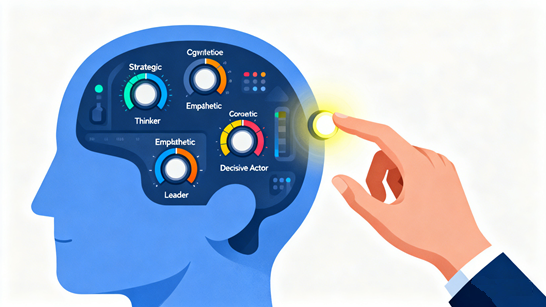
The Executive Cognitive Leadership System
Lead with cognitive clarity and neurological intelligence. This system uses neuroscience principles to optimize decision-making, emotional regulation, and leadership presence through strategic cognitive mode switching.
View details
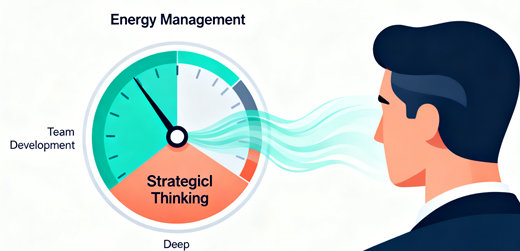
The Executive Energy Distributor
Lead with clarity and impact. This free executive schedule helps managers balance strategic thinking, team development, and deep work by aligning tasks with energy levels throughout the week. Based on energy leadership principles.
View details

The Spacetime Memory Crystal Design System
Transform fleeting experiences into eternal memory crystals. This system uses multidimensional experience design to create travel memories that can be revisited, explored, and cherished across time and sensory dimensions.
View details